 Hollis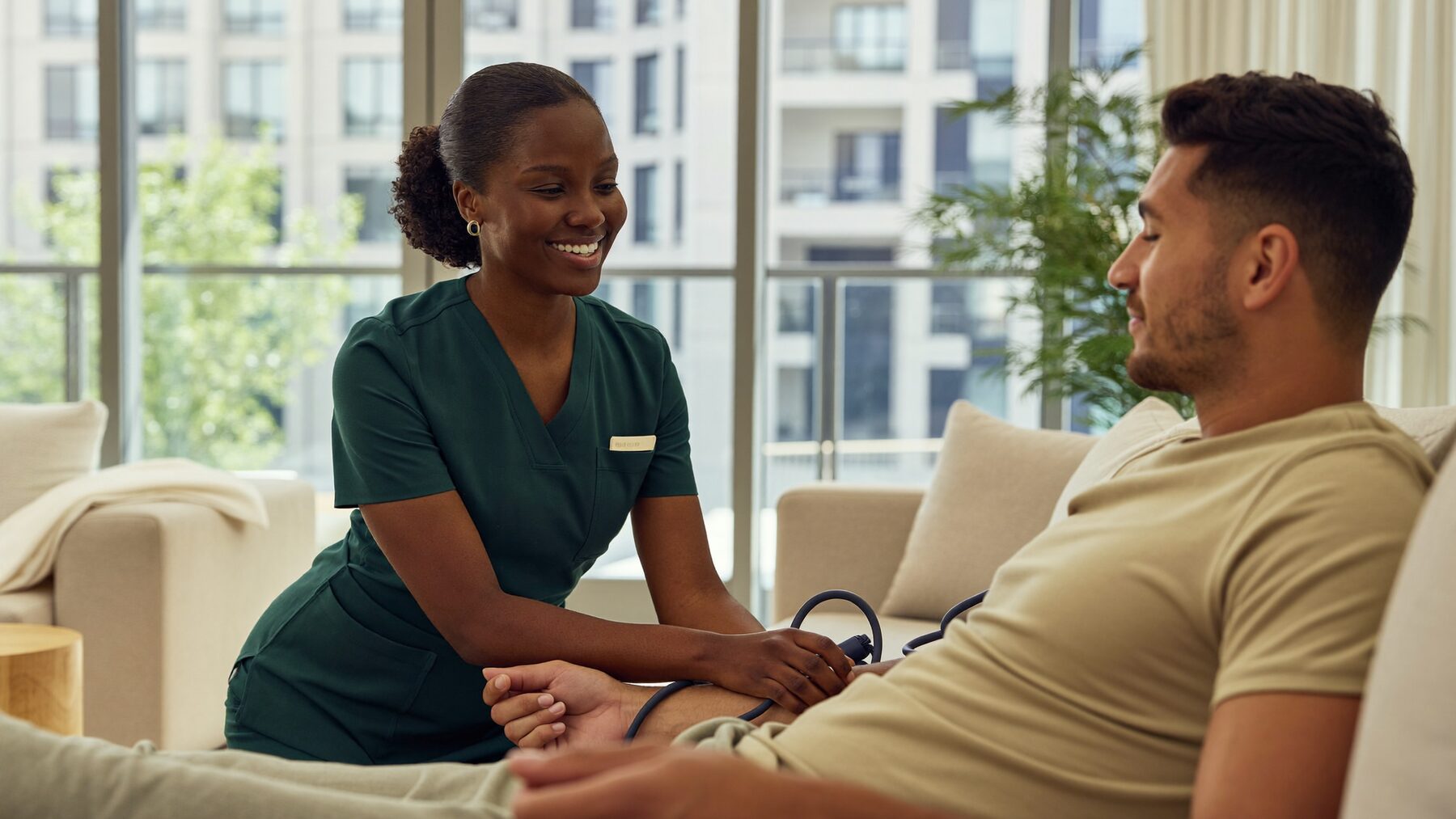

1. Do not wait until morning
If PEP is right for you, it works best the sooner it starts, ideally within hours and no later than 72 hours after the exposure. Waiting to see if you feel unwell does not help: HIV usually causes no symptoms in the first days, and a test taken now cannot show an infection from the last few days.
2. Take care of the immediate things
- For a needle-stick or cut, let the wound bleed gently and wash it with soap and running water. Do not scrub, squeeze hard or use bleach.
- For a splash in the eyes, nose or mouth, rinse with plenty of clean water.
- After sex, there is no need to wash internally or douche. It does not reduce risk and can irritate tissue.
3. Speak to a physician
Whether PEP is recommended depends on the type of exposure, the time since it happened and what is known about the other person. A Hollis physician assesses this with you privately by phone or video, usually within 15 minutes of your call, and tells you honestly whether you need PEP.
4. Start PEP if it is recommended
If PEP is right for you, a physician comes to your home, hotel or office, usually within 2 hours, takes baseline tests and gives the first dose on the spot. You then take PEP every day for 28 days.
5. Test afterwards
A test on the day of the exposure only tells you your status before it. Follow-up HIV tests, usually at 4 to 6 weeks and again at 12 weeks after the exposure, are what give you your answer. PEP Complete adds an HIV RNA test at day 14 as an early check, but it cannot give a final answer while you are taking PEP, so the later tests are still needed.
This guide is general information, not a diagnosis. Every situation is different, so speak to a physician about yours. If you are in immediate danger, call 999.